Pages

Showing posts with label Genomes sequenced. Show all posts

Monday, 23 June 2014

Insects, sheep, polar bears, crow, beans and eucalyptus...all the genomes you want!

I'm always amazed by the explosion of new species genomes since the introduction of NGS. In the last two years the sequencing and assembly of genomes from various animals and plants have accelerated even more and focused also on "exotic" species, so much that now we have almost a new genome per month! All these data can tell us a lot on basic mechanisms of evolution and provide information to study how complex biological processes have developed and why they act the way we see now. Moreover, many species have peculiar properties and produce biopeptides or other biological molecules that could be useful for life science and medicine.
So, here is a quick update of what has been published in the last months!

The amazing spiderman: Social velvet and tarantula genomes to study silk and venom
Authors from BGI-Shenzhen and the Aarhus University reported on Nature Communication the assembly of the full genome of social velvet spider and tarantula spider. Besides the genome sequencing and analysis, authors also performed transcriptome sequencing and proteomic analysis by mass spectroscopy. A de novo assembly of the velvet spider (S. mimosarum) was generated from 91 × coverage sequencing of paired end and mate pair libraries and assembled into contigs and scaffolds spanning 2.55 Gb. Integrating also transcriptome data authors reconstructed a gene set of 27,235 protein-coding gene models. Approximately 400 gene models had no homology to known proteins but were supported by proteomic evidence, identifying putative ‘spider’-specific proteins. The exon-intron structure, unlike other arthropod genomes, is characterized by and intron-exon structure very similar to the human genome. The size estimate of the tarantula genome is about 6 Gb and was sequenced at 40 × coverage from a single female A. geniculata using a similar combination of paired end and mate pair libraries as for the velvet spider. Authors sequenced proteins from different spider tissues (venom, thorax, abdomen, haemolymph and silk), identifying 120 proteins in venom, 15 proteins in silk and 2,122 proteins from body fluid and tissue samples, for a total of 2,193 tarantula proteins. Introns were found to be longer than those of the velvet spider.
Combining three different omics approaches the paper reconstructed species specific gene duplication and the set of peculiar proteins involved in spiders silk and venom. The analysis revealed enrichment in cysteine-rich peptides with neurotoxic effect and proteases, that specifically activate protoxins in the venom of spiders.

Stick insects: a large sequencing effort to study evolution and speciation
In this paper published on Science (it appears on the cover magazine), the authors performed whole genome sequencing on several subjects from different populations of stick insects to investigate the role and mechanism of action of selection in adaptation and parallel speciation. Researchers performed a parallel experiment moving four groups of individuals from the original population from their natural host plant to a new one. They sequenced them and their first offspring generation and analyzed genomic variations and their role in adaptation to the new environment. Comparing genomic changes in the four groups allow analysis of parallel speciation and the genomic mechanisms behind the scene.

Polar bear genome: population genomics to dissect adaptation to extreme environments
On this paper from Cell, authors reconstructed a draft assembly of the polar bear genome and then analyzed 89 complete genomes of polar bear and brown bear using population genomic modeling. Results show that the species diverged 479–343 thousand years ago and that the polar bear lineage have been under stronger positive selection than the brown bears. Several genes specifically selected in polar bears are associated with cardiomyopathy and vascular disease, implying important reorganization of the cardiovascular system. Another group of genes showing strong evidence of selection are those related to lipid metabolism, transport and storage, like APOB. Functional mutations in this gene may explain how polar bears are able to cope with life-long elevated LDL levels.

Sheep genome: now all the major livestock animals have their genome sequence
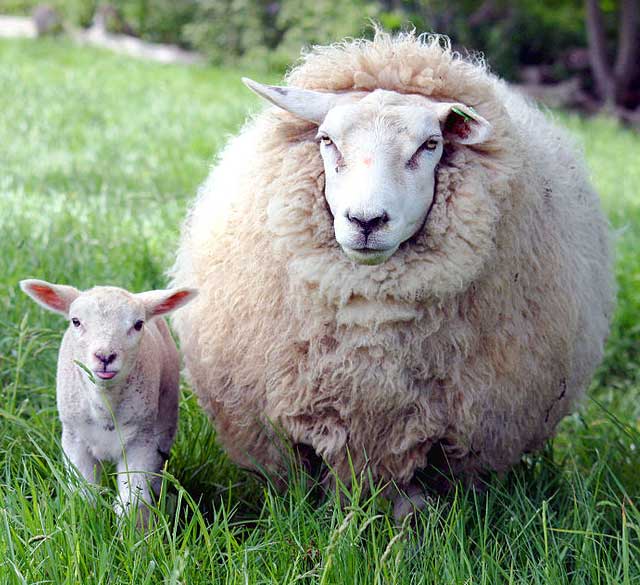
Researchers from the international sheep genomics consortium published on Science the first complete assembly of the sheep genome. The team build an assembly that spans 2.61 billion bases of the sheep genome to an average depth of around 150-fold. That assembly covers around 99 percent of the sheep's 26 autosomal chromosomes and X chromosome. In addition to the high-quality reference genome, the team generated transcriptome sequences representing 40 sheep tissues, which contributed to its subsequent analysis of sheep features. Like cattle, sheep are known for feed on plants and deriving useful proteins from lignocellulose-laden material with the help of fermentation and microbes in the rumen. Specialized features of the sheep metabolism go to work on volatile fatty acids that gut bugs produce during that process and other adaptations on fatty acid metabolism features seem to feed into the production of wool fibers, which contain lanolin formed from waxy ester molecules. By adding in transcript sequence data for almost 100 samples taken from 40 sheep tissue types, the researchers looked at the protein-coding genes present in the sheep genome and their relationship to those found in 11 other ruminant and non-ruminant mammals.

Two Crow species: genomes reveal what make them look different
Researchers published on Science a genomic study on two crow species, the all-black carrion crow and the gray-coated hooded crow — and find that a very small percentage of the birds' genes are responsible for their different looks. Researchers started by assembling the high-quality reference genome for the hooded crow species C. cornix. The 16.4-million-base assembly — covered to an average depth of 152-fold — contained nearly 20,800 predicted protein-coding genes. The team then resequenced the genomes of 60 hooded or carrion crows at average depths of between 7.1- and 28.6-fold apiece, identifying more than 5.27 million SNPs shared between the two species and more than 8.4 million SNPs in total. Comparison of the two species genomes revealed that varied expression of less than 0.28 percent of the entire genome was enough to maintain different coloration between the two species. This particular 1.95 megabase pair-long area of the genome is located on the avian chromosome 18, and it harbors genes associated with pigment coloration, visual perception, and hormonal balance. Together, the team's findings hint that distinctive physical features are maintained in hooded and carrion crow species despite gene flow across all but a fraction of the genome.

Eucalyptus genome: tandem duplications and essential oils encoded in the DNA
An international team published on Nature a reference genome for the eucalyptus tree. The researchers used whole-genome Sanger sequencing to build the genome assembly of an E. grandis representative belonging to the BRASUZI genotype. Using those sequences, together with bacterial artificial chromosome sequences and a genetic linkage map, the team covered more than 94 percent of the plant's predicted 640 million base sequence at an average depth of nearly seven-fold. To facilitate transcripts identification, they added RNA sequences representing different eucalyptus tissue types and developmental stages and reconstructed 36,376 predicted protein-coding eucalyptus genes. The genomes of a sub-tropical representative from E. grandis BRASUZI and a temperate eucalyptus species called E. globulus were re-sequenced with Illumina instruments. Comparison of the different genomes revealed that eucalyptus displays the greatest number of tandem duplications of any plant genome sequenced so far, and that the duplications have appear to have prioritized genes for wood formation. The plant also has the highest diversity of genes for producing various essential oils.

Common Bean genome: genomic effects of plant domestication
The reference genome for the common bean, Phaseolus vulgaris L., was recently published on Nature Genetics. Authors used a whole-genome shotgun sequencing strategy combining together linear libraries and paired libraries of varying insert sizes, sequenced with the Roche 454 platform. To these data they added 24.1 Gb of Illumina-sequenced fragment libraries and sequences from fosmid libraries and BAC libraries obtained from canonical Sanger platform for a total assembled sequence coverage level of 21.0X. The final assembly covers 473 Mb of the 587-Mb genome and 98% of this sequence is anchored in 11 chromosome-scale pseudomolecules. Using resequencing of 60 wild individuals and 100 landraces from genetically differentiated Mesoamerican and Andean gene pools, the authors performed a genome-wide analysis of dual domestications and confirmed two independent domestications from genetic pools that diverged before human colonization. They also identified a set of genes linked with increased leaf and seed size. These results identify regions of the genome that have undergone intense selection and thus provide targets for future crop improvement efforts.

Tuesday, 25 March 2014

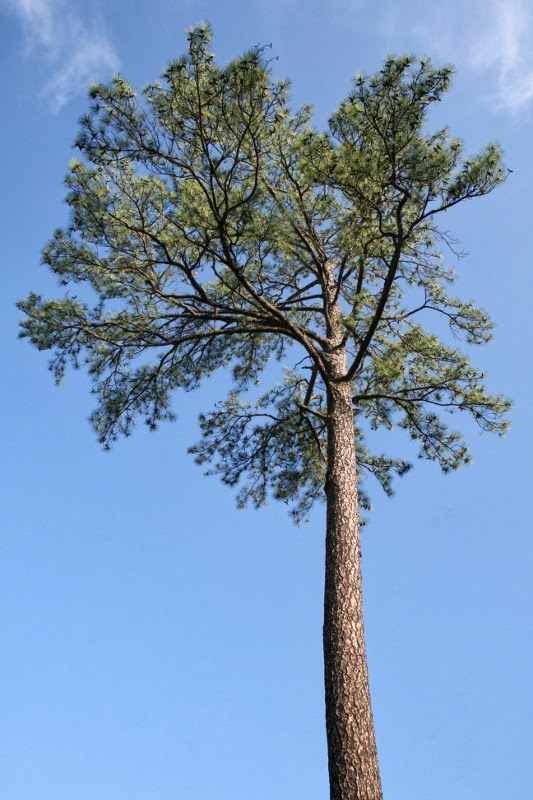
Flash Report: Loblolly pine genome is largest ever sequenced

Below is the report from CBSNews.com:

Scientists say they've generated the longest genome sequence to date, unraveling the genetic code of the loblolly pine tree.
Conifers have been around since the age of the dinosaurs, and they have some of the biggest genomes of all living things.
Native to the U.S. Southeast, the loblolly pine (Pinus taeda) can grow over 100 feet (30 meters) tall and has a lengthy genome to match, with 23 billion base pairs. That's more than seven times the size of the human genome, which has 3 billion base pairs. (These pairs form sequences called genes that tell cells how to make proteins.)
"It's a huge genome. But the challenge isn't just collecting all the sequence data. The problem is assembling that sequence into order," study researcher David Neale, a professor of plant sciences at the University of California, Davis, said in a statement.
To simplify this huge genetic puzzle, Neale and colleagues assembled most of the sequence from part of a single pine nut-- a haploid part of the seed with just one set of chromosomes to piece together.
The new research showed that the loblolly genome is bloated with repetitive DNA. In fact, 82 percent of the genome repeats itself, the researchers say.
Understanding the loblolly pine's genetic code could lead to improved breeding of the tree, which is used to make paper and lumber and is being investigated as a potential biofuel, the scientists say.
The loblolly pine joins other recently sequenced conifers, including the Norway spruce (Picea abies), which has 20 billion base pairs. For their next project, the researchers are eyeing the sugar pine, a tree with 35 billion base pairs.
The research was detailed this week in the journals Genetics and Genome Biology.

Monday, 3 February 2014

The sequencing frenzy! Not only human genomes!

With NGS cutting down the costs, Illumina pushing hard to increase sequencing production and some expectation from the new nanopore technology, the past year saw an explosion of genome sequencing.
Lot of organisms, even some bizarre creatures, had their genome sequenced and lot of new sequencing programs had been started, aiming to sequence thousand and thousand of new genomes in the next few years!
I've a personal interest in evolutionary and comparative genomics, so I always appreciate a new genome and I'm particularly intrigued by exotic organisms genomes...Sometimes they may be not so informative, but it is always funny to tell your friend the story of the genome of the white tiger! 
I made a rapid survey of what I've missed in the last couple of months and here are some cool new genomes:

The Burmese python genome (total of 1.44 Gb) and the King cobra genome (total of 1.66 Gb).

These two snake genomes have been published in December on PNAS and give new insights on the evolution of snakes and the peculiar adaptation related to their metabolism and to venom production. Both paper report results from genome sequencing as well as transcriptome characterization, providing a complete picture on several interesting and poorly understood aspects of snakes biology.


The first paper is focused on the molecular basis of morphological and physiological adaptations in snakes. Positive selection acted in ancestral snakes on many genes related to metabolism, development, lungs, eyes, heart, kidney, and skeletal structure—all highly modified features in snakes. To better study genetic basis of the extreme phenotypes of the python, they also compared the python genome with king cobra genome and genomic samples from other snakes. They also performed a detailed transcriptome analysis and found responsive genese associated with metabolism, development, and also mammalian diseases.


The second paper is focused on snake venom, a fascinating toxic protein cocktails. The authors investigate the evolution of these complex biological weapon by sequencing the genome of the king cobra and perform transcriptome analysis to assess the composition of venom gland expressed genes, small RNAs, and secreted venom proteins. They found that "toxin genes important for prey capture have massively expanded by gene duplication and evolved under positive selection, resulting in protein neofunctionalization.". There is a lot of interest in animals venom as a source of new bio-active peptides with a possible application as human drugs, and this article advance the field providing lots of new information on the origin and evolution of venom proteins.


The Locust genome (total of 6.5 Gb)

The genome of L. migratoria has been published in Nature on January. 
There is no doubt that locusts are one of the world’s most destructive agricultural pests, as demonstrated also by their use as a God punishment! Locusts are grasshopper species and they exhibit a remarkable ability in swarming and long-distance migration. Locust swarms form suddenly from the congregation of billions of insects and they can fly hundreds of kilometres each day, and even cross oceans. They are also quite voracious and a single individual could consume its own body weight in food every day! The authors of this paper combined genome sequencing with a set of transcriptome and methylome data from gregarious and solitarious locusts to get insights on the adaptations behind the locust machine! They revealed peculiar findings on neuronal regulatory mechanisms underlying phase change in the locust, together with a significant expansion of gene families associated with energy consumption and detoxification, consistent with long-distance flight capacity and phytophagy. Moreover they also identified hundreds of potential insecticide target genes, such as ion channels, G-protein-coupled receptors and lethal genes. Beware locust!

The Elephant shark genome (0.93 Gb)

In this paper published by Nature on January, authors report the whole-genome analysis of a cartilaginous fish, the elephant shark (Callorhinchus milii). This genome will provide new insights on the evolution of gnathostomes from jawless vertebrates, a transition accompanied by many morphological and phenotypic innovations: jaws, paired appendages and an adaptive immune system based on immunoglobulins, T-cell receptors and major histocompatibility complex (MHC). Moreover they also found a lack of genes encoding secreted calcium-binding phosphoproteins, suggesting an explanation to the the absence of bon
They also found that "the C. milii genome is the slowest evolving of all known vertebrates and features extensive synteny conservation with tetrapod genomes, making it a good model for comparative analyses of gnathostome genomes". The paper analyze also some peculiar aspects of the adaptive immune system of cartilaginous fishes: "it lacks the canonical CD4 co-receptor and most transcription factors, cytokines and cytokine receptors related to the CD4 lineage, despite the presence of polymorphic major histocompatibility complex class II molecules. It thus presents a new model for understanding the origin of adaptive immunity."

The Giant galapagos tortoise (C. nigra) transcriptome

In this study published by Genome Biology on December, authors performed transcriptome sequencing on five C. nigra individuals from three distinct subspecies. Moreover they also analyzed samples from the congeneric red-footed tortoise C. carbonaria and from the Spanish pond turtle Mauremys leprosa. To get a complete picture on tortoise evolution, transcriptome data from the previously published European pond turtle Emys orbicularis and pond slider Trachemys scripta were also considered.
Based on this dataset, they perform a population genomic study of the giant Galápagos tortoise, a species endemic from the Galápagos archipelago. C. nigra is an interesting turtle species: it is the largest known living species of terrestrial turtles and can live well above 100 years. From mtDNA analyses authors suggested that "this insular species has been isolated from the South American continent during millions of years". C. nigra is therefore a perfect model for the study of adaptation following island colonization and "point to island endemic species as a promising model for the study of the deleterious effects on genome evolution of a reduced long-term population size". Among other interesting results, authors found a reduced diversity of immunity genes, supporting the hypothesis of attenuated pathogen diversity in the island restricted habitat, and an increased selective pressure on genes involved in response to stress, potentially involved in the response to the climatic instability and in the elongated lifespan of this species.


After these intriguing examples, here are the major sequencing programs that promise to provide us with more and more genomes in the next few years:

This project aim to sequence the genome of 10k vertebrate species, covering amphibian, birds, reptiles, mammal, fishes and teleosts. The declared goal is "To understand how complex animal life evolved through changes in DNA and use this knowledge to become better stewards of the planet."
The project is co-directed by David Haussler (Howard Hughes Medical Institute, University of California, Santa Cruz); Stephen J. O'Brien (Chief Scientific Officer, Theodosius Dobzhansky Center for Genome Bioinformatics, St. Petersburg State University, St. Petersburg, Russia) and Oliver A. Ryder (San Diego Zoo, Institute for Conservation Research, San Diego, CA). Between collaborators and promoters they have also the BGI.

The i5K Insect and other Arthropod Genome Sequencing Initiative
Started officially in 2011, "the i5k initiative plans to sequence the genomes of 5,000 insect and related arthropod species over the next 5 years. This project will be transformative because it aims to sequence the genomes of all insect species known to be important to worldwide agriculture, food safety, medicine, and energy production; all those used as models in biology; the most abundant in world ecosystems; and representatives in every branch of insect phylogeny so as to achieve a deep understanding of arthropod evolution and phylogeny". The collaborators on the project has already produced more than 60 genomes, such as various species of Drosophila, Apis mellifera, Bombyx mori, Aedes aegypti, Anopheles gambiae, Iodex scapularis and many others. 

Sustained by BGI and China National Genebank (CNGB) this project is started at the end of 2013 and aims to "unveil the mysteries of the origin, evolution and diversification of the largest group of vertebrates." Morover, "all data generated from Fish T1K will be made available publicly through CNGB, ensuring that scientists have access to new developments and trends in fish research and the use of RNA-seq technology."

This is another insects related initiative. Insects are one of the most species-rich groups of metazoan organisms. They play a pivotal role in most non-marine ecosystems and they are of enormous economical and medical importance. With about 20 international partners involved, the 1K Insect Transcriptome Evolution project "aims to study the transcriptomes (that is the entirety of expressed genes) of more than 1,000 insect species encompassing all recognized insect orders. For each species, so-called ESTs (Expressed Sequence Tags) will be produced using next generation sequencing techniques (NGS). [...]. The expected data will allow inferring for the first time a robust phylogenetic backbone tree of insects. Furthermore, the project includes the development of new software for data quality assessment and analysis."

The Global Invertebrate Genomics Alliance (GIGA) is an initiative started in 2013, that group together diverse scientists "with the intent of growing a collaborative network that can address the major problems associated with genomic sequencing of a large taxonomic spectrum - sample collection and processing, data handling, sequence annotation, alignment and access, as well as intellectual property issues." The entire project is focused on (non-insect/ non-nematode) invertebrate, a taxonomic group that "comprise over 70% of all described metazoan species diversity, yet most of their genomes (complete hereditary material, DNA code) remain relatively unknown and understudied".

Sunday, 9 June 2013

The White Tigers, the White Gorillas and the Green Turtle

We have been quite busy in the past weeks setting up our own NGS sequencing lab, but we haven't stop to look around for genomics news and new genomes!
Three articles have been published recently: the complete sequence of two species of turtle to get insight on the evolution of their peculiar body structure, the complete genome sequence of the only known exemplar of white gorilla; a large sequencing and genome wide association study to identify the cause of albinism in white tigers.

The first study appeared at the end of April on Nature Genetics (The draft genomes of soft-shell turtle and green sea turtle yield insights into the development and evolution of the turtle-specific body plan. Wang et al.) describe the complete genome assembly of two kind of turtles (P. sinensis and C. mydas) and also reports interesting results from embryo studies and comparative developmental studies against chicken embryos. Taken together these data give a comprehensive picture on turtle evolution and new insight on the crucial factor driving their peculiar body structure. From extensive analysis of embryo gene expression and comparison with chicken, authors found that turtle development initially follows the common vertebrate pattern but then it differentiate from the stage TK11 and they were also able to identify a set of 233 genes that should be crucial for the specific turtle body plan.

"Taken together, these results suggest that turtles indeed conform to the developmental hourglass model (Supplementary Fig. 15) by first establishing an ancient vertebrate body plan and by developing turtle-specific characteristics thereafter. The above results suggest that turtle-specific global repatterning of gene regulation begins after TK11 or the phylotypic period. Although turtle and chicken express many shared developmental genes in the embryo during the putative phylotypic period (Fig. 4a and Supplementary Tables 27and 28) and have the fewest expanded or contracted gene family members expressed (Supplementary Fig. 16) at this stage, later stages showed increasing differences in their molecular patterns. We found 233 genes that showed turtle-specific increasing expression patterns after the phylotype (Fig. 4b). Considering that the chicken orthologs did not show this type of increasing expression (Supplementary Figs. 17 and 18), these 233 genes represent attractive candidates for clarifying the genomic nature of turtle-specific morphological oddities"


This paper combines different techniques and imply a lot of NGS experiments. First of all, the genome sequencing of the two specimens was conducted by paired-end sequencing on Illumina HiSeq 2000 using both short and long insert libraries for a median of 105X and 82X (estimated genome size of about 2.2 Gb). The complete set of turtle transcripts were assessed by computational analysis, but also supported by RNA-Seq data of the soft-shell turtle conducted with three different approach: Titanium sequencig, Illumina strand-specific and non strand-specific RNA-seq, for a total of about 37 Gb of sequencing. Finally, authors investigated miRNAs as well by sequencing small RNAs on Illumina platform. They then used computational tools and comparison with other species known miRNA to infer potential binding sites and conserved miRNA species.


The other two paper deals with some more "exotic" species, trying to dissect the molecular origin of albinism in a white gorilla known as Snowflake and in a family of white tigers raised in captivity. Oculocutaneous albinism in humans is knwon to be related to mutations in the SLC45A2 gene and the authors found that this is the case also in the two considered species.
Complete sequence of the white gorilla was published at the end of May on BMC Genomics (The genome sequencing of an albino Western lowland gorilla reveals inbreeding in the wild. Prado-Martinez et al.). Authors reported the 19X whole genome sequencing of the only known white gorilla and compared these data with the human reference genome and other two already sequenced gorilla genome searching for SNVs in albinism related genes. Data analysis lead to the identification of a missense mutation in SLC45A2 gene resulting in the G518R aminoacid substitution, which should alter the function of the protein channel thus leading to albinism in the white gorilla. Interestingly, it resulted that the genome of snowflake presented large ROH regions, suggesting that it defect may result from high rate of inbreeding.

The study on white tigers was published at the beginning of June on Current Biology (The genetic basis of white tigers. Xu et al.). The authors performed an extensive genomic analysis on a family of 16 white tigers raised in captivity to track down the molecular defect responsible for the albinism in this species. Applying a combined approach based on genome-wide association mapping with restriction-site-associated DNA sequencing (RAD-seq), followed by whole-genome sequencing (WGS) of the three parents, they identified the aminoacid substitution A477V in the SLC45A2 gene as the causative mutation. This finding was confirmed by validation in 130 unrelated tigers identified and three-dimensional homology modeling, suggesting that the substitution may partially block the transporter channel cavity.

Saturday, 20 October 2012

Flash Report: Beer genome sequenced

Actually is the barley genome that has been sequenced and described in the journal Nature by scientists of The International Barley Sequencing Consortium (IBSC).
Malted barley, along with hops and yeast, is a key ingredient in brewing beer (while the yeast genome has been unraveled more than 15 years ago, to the best of my knowledge the hops - Humulus lupulus - genome has not been sequenced yet).
First cultivated more than 10,000 years ago, barley (Hordeum vulgare) is the world's fourth most important cereal crop (both in terms of area of cultivation and in quantity of grain produced), trailing only maize, rice and wheat. Its genome is almost twice the size of the human genome and contains a large proportion of closely related sequences, which are difficult to piece together.
Professor Robbie Waugh (Scotland's James Hutton Institute) who led the research said: "this research will streamline efforts to improve barley production through breeding for improved varieties. This could be varieties better able to withstand pests and disease, deal with adverse environmental conditions, or even provide grain better suited for beer and brewing".

 2012 Oct 17. doi: 10.1038/nature11543.

A physical, genetic and functional sequence assembly of the barley genome.


Abstract

Barley (Hordeum vulgare L.) is among the world's earliest domesticated and most important crop plants. It is diploid with a large haploid genome of 5.1 gigabases (Gb). Here we present an integrated and ordered physical, genetic and functional sequence resource that describes the barley gene-space in a structured whole-genome context. We developed a physical map of 4.98 Gb, with more than 3.90 Gb anchored to a high-resolution genetic map. Projecting a deep whole-genome shotgun assembly, complementary DNA and deep RNA sequence data onto this framework supports 79,379 transcript clusters, including 26,159 'high-confidence' genes with homology support from other plant genomes. Abundant alternative splicing, premature termination codons and novel transcriptionally active regions suggest that post-transcriptional processing forms an important regulatory layer. Survey sequences from diverse accessions reveal a landscape of extensive single-nucleotide variation. Our data provide a platform for both genome-assisted research and enabling contemporary crop improvement.
PMID:
 
23075845

Sunday, 8 January 2012

Flash Report: a soft genome

Here we go with a new category of posts on this blog: Flash Reports. Whenever we want to share an interesting news article with our readers but we do not have time to write a post for the NGS blog, we will create a "Flash Report" with a brief description and the link to the original article.

We start with a Flash Report about the release of the first ‘gold-standard’ genome sequence for Gossypium raimondii, the New World cotton progenitor. Interestingly, 49 additional cotton species will follow.